Auto Insurance

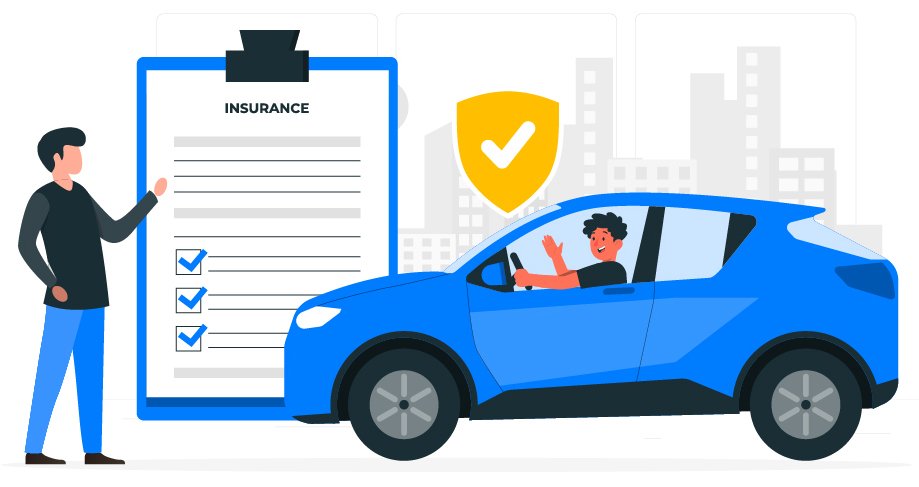
Auto insurance protects drivers from costly accidents. Pay a premium, and the insurer handles covered losses. It guards vehicles, prevents major bills, and meets legal rules. Many plans add theft or fire protection. Smart coverage brings peace and keeps drivers safe every mile.


image
image
image

Why Do You Need Auto Insurance?

Keeps money safe if something happens to your car.

  • Auto insurance helps avoid big repair or replacement costs after a crash or theft.
  • It covers medical bills if the driver or passengers suffer injuries.
  • If the vehicle causes harm to others, it protects against high legal expenses.
  • Many states require drivers to carry at least basic coverage.
  • Choosing the right plan adds safety, meets legal rules, and protects hard-earned money.
image
image

Affordable Auto Insurance Near You

Comparing car insurance rates by zip code shows big price changes. This happens because each state uses its own rules and factors to set average costs. Things like traffic, weather, and accident rates all help decide how much drivers pay in each area.

image

What Makes Comparing Auto Insurance Rates with DLPolicy? a Smart Choice?

Skipping auto insurance quote comparison can be a costly mistake. Every driver is different in how they drive and care for their car. Insurance companies study personal risk factors before setting prices. That’s why comparing rates matters as much as buying a policy. It helps find fair deals and better coverage. Insurers consider driving history, vehicle type, claims, and more. By comparing, drivers get the right protection without overpaying.

image

Where You Live

Insurance companies closely examine your neighbourhood because factors such as crime rates, population density, and weather conditions influence risk. Comparing insurance rates by state is also essential, as each state has its unique impact on costs.

image

Your Marital Status

Statistics show married drivers tend to have fewer accidents than singles, divorced, or widowed individuals. Therefore, married people usually receive lower insurance premiums compared to others.

image

Your Age

Your age reflects your driving experience. Teen drivers often face the highest insurance rates due to a lack of experience. As drivers grow older and gain more road time, their premiums typically decrease.

image

Your Gender

Insurance providers note that men often engage in riskier driving behaviour, like speeding or driving without seatbelts. Men also tend to drive more and take more risks, leading to higher insurance costs compared to women.

image

Type of Vehicle

Insurers consider your car’s make and model to assess theft risk, accident likelihood, and repair costs. Factors such as safety ratings and purchase price influence the overall insurance premium.

image

Your Driving Records

Your driving record, including tickets, DUIs, or past accidents, plays a major role in determining rates. Even minor violations can raise your insurance costs by nearly 20%.

image

Homeownership Status

Renters often pay higher insurance premiums—sometimes up to 47% more—than homeowners. Owning a home improves your credibility and can help lower your insurance rates.

Auto Insurance FAQs

Insurance companies often use credit scores to help decide your rates. A better credit score can mean lower premiums because it shows you’re likely responsible with payments. But rules vary by state, so it’s good to check.

Yes! You can usually adjust coverage types and limits, add extras like roadside assistance, or choose deductibles that suit your budget. Talking with your agent helps tailor a policy just for you.

If you often drive another person’s vehicle, your insurance might not fully cover you. Some policies limit coverage to your car or occasional use, so it’s important to review your policy and discuss it with your insurer.

Many insurers reward drivers who maintain clean records with discounts. Taking defensive driving courses or installing safety devices in your car can also lower your premium.

Fault is usually decided based on police reports, witness statements, and sometimes state laws. The insurer reviews these details to figure out who is responsible and how claims should be handled.